How Sweat, Chalk and Rubber Break Down Gym Floors
Gym floors take constant punishment. Every training session leaves behind sweat, chalk dust, shoe friction, and equipment impact. Over time these elements slowly break down rubber flooring and create the strong odors many gyms struggle with.
Most gym owners notice the surface getting dirty, but the real damage often happens inside the rubber itself. Understanding how sweat, chalk, and oxidation affect gym flooring explains why specialized gym cleaning and rubber floor maintenance are necessary.
Why Gym Floors Get Dirty So Fast
Unlike standard commercial spaces, gyms produce a unique combination of contaminants. Members sweat heavily, use chalk for grip, and constantly move heavy equipment across the flooring.
Rubber flooring is slightly porous, which means it absorbs moisture and fine particles over time.
Once contaminants enter the surface, normal mopping or surface level gym cleaning cannot remove them completely.
Three main factors cause most long term floor damage.
Chalk dust accumulation
Sweat salt deposits
Rubber oxidation from moisture and air
Each of these slowly affects both hygiene and the lifespan of the flooring.
Chalk Dust Buildup
Chalk is common in strength gyms, powerlifting facilities, and functional fitness environments. While it helps athletes maintain grip during heavy lifts, it creates a major cleaning challenge.
Chalk particles are extremely fine and easily settle into the texture of rubber flooring.
Over time this leads to:
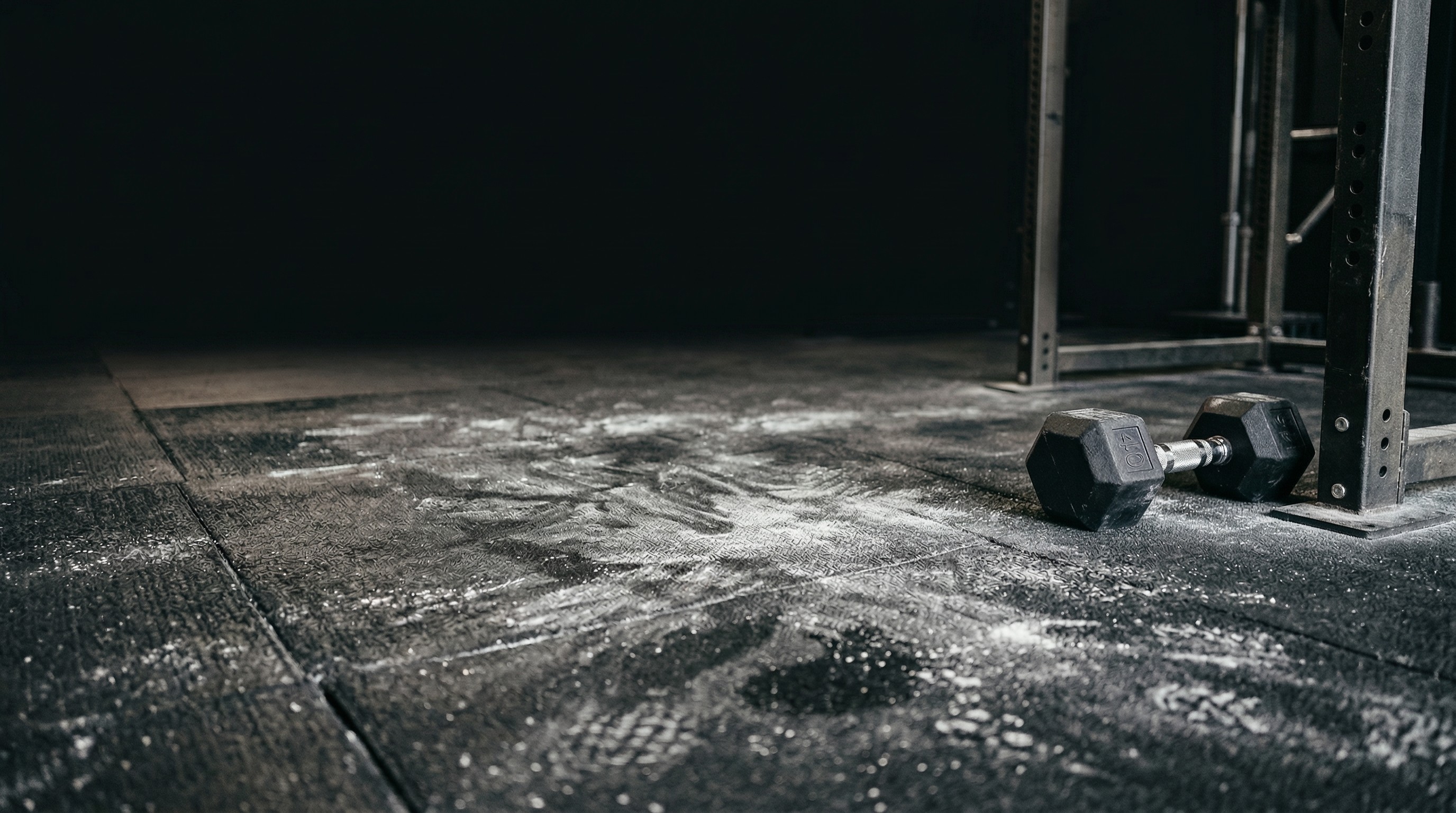
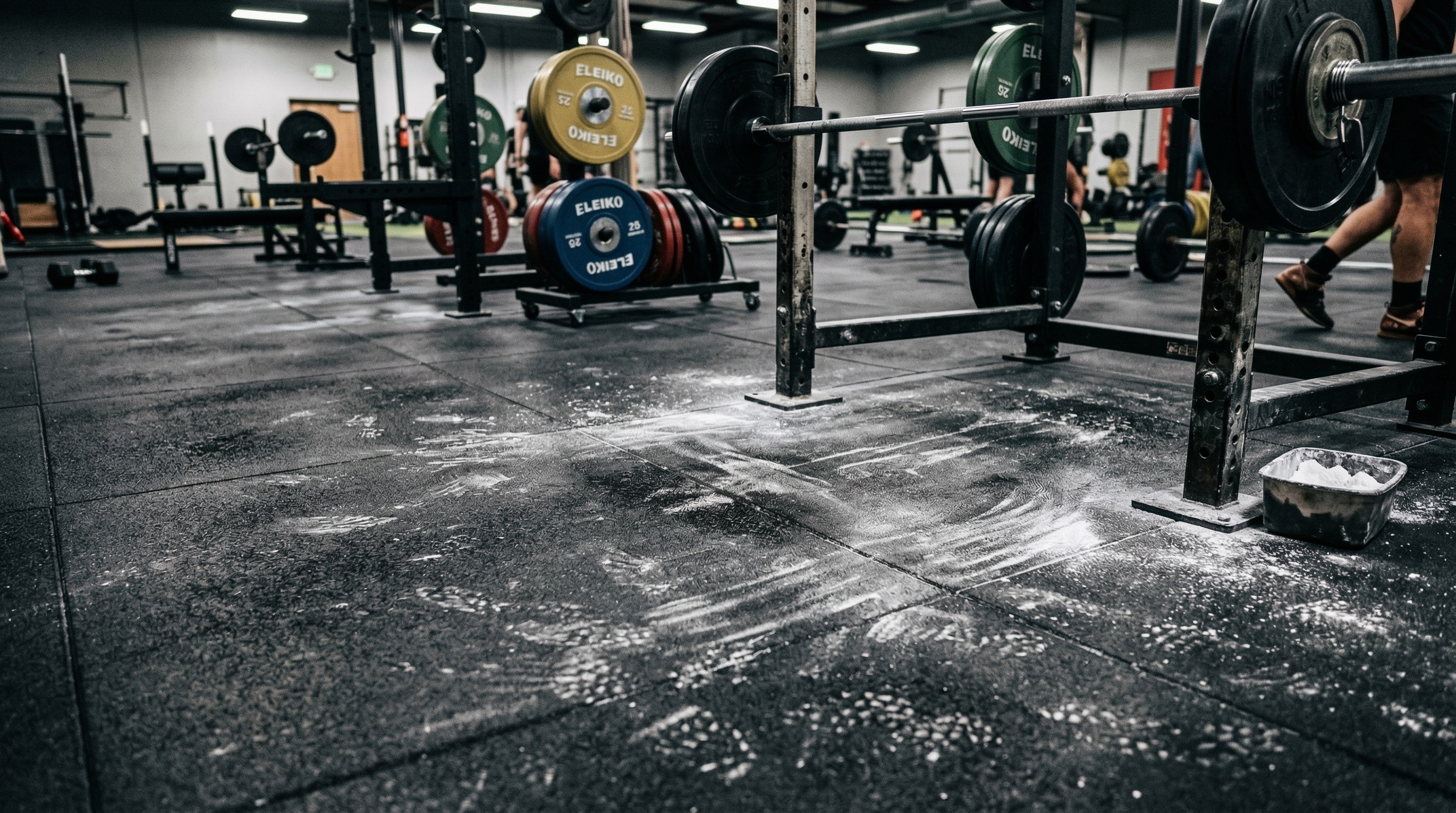
White dust embedded in black rubber mats
Dull looking flooring
Increased friction that traps dirt
Hard to remove residue around racks and lifting platforms
When chalk mixes with sweat, it forms a paste that sticks deep inside the rubber surface.
Professional gym cleaning services often use industrial scrubbers and specialized gym rubber mat cleaner solutions to extract chalk buildup from flooring.
Sweat Salts and Bacteria
Sweat is one of the biggest contributors to gym floor deterioration.
Human sweat contains salt, oils, and organic compounds. When this moisture soaks into rubber flooring, the salts slowly crystallize inside the material.
This process causes several issues:
Persistent gym odors
Sticky floor surfaces
Bacteria growth in flooring pores
Discoloration in high traffic areas
Because rubber absorbs moisture, sweat contamination often spreads below the surface where normal gym floor cleaning cannot reach.
Deep cleaning removes these deposits and restores the natural appearance of the flooring.
Rubber Oxidation and Surface Damage
Rubber flooring also changes chemically over time through a process called oxidation.
When rubber is exposed to oxygen, moisture, sweat salts, and cleaning chemicals, the surface slowly breaks down.
Signs of rubber oxidation include:
Fading or gray looking flooring
Loss of elasticity
Surface cracking
Reduced traction in lifting areas
Improper cleaning products can accelerate this process.
Many general commercial cleaners use chemicals that strip protective oils from rubber surfaces. This speeds up oxidation and shortens the lifespan of the flooring.
Proper rubber gym floor maintenance uses rubber safe cleaning products that remove contaminants without damaging the material.
Why Specialized Gym Cleaning Matters
Because gym flooring faces these unique challenges, it requires specialized cleaning techniques.
Professional gym cleaners use equipment designed specifically for rubber surfaces. These machines scrub deep into the flooring texture while extracting moisture and contaminants.
Specialized gym cleaning services typically include:
Deep rubber floor scrubbing
Extraction of sweat salts and bacteria
Chalk removal from lifting zones
Restoration of rubber floor appearance
This process helps protect the flooring investment while maintaining a cleaner training environment for members.
The Impact on Member Experience
Members may not understand the science behind rubber floor contamination, but they notice the results.
Strong odors, dull flooring, and sticky surfaces quickly create the impression of a poorly maintained facility.
Clean rubber flooring creates the opposite effect. The gym feels fresher, looks more professional, and gives members confidence in the hygiene of the space.
Consistent gym cleaning services help ensure floors remain clean, odor free, and safe for training.
Final Thoughts
Sweat, chalk dust, and rubber oxidation slowly break down gym flooring from the inside out. While the damage may start invisibly, it eventually affects the appearance, smell, and safety of the training environment.
By combining routine gym floor cleaning with scheduled deep cleaning, gym owners can protect their flooring and maintain a high standard for members.
Understanding the science behind gym floor contamination also highlights why specialized gym cleaning services are essential for modern fitness facilities.